Wondering Does Drinking More Water Help You Lose Weight? Learn how staying hydrated can support your weight loss goals and improve overall health.
Many people searching for a simple path to fitness often wonder if staying hydrated is the secret key. Understanding the benefits of water for weight loss is essential for anyone starting a health journey. It is a foundational habit that supports your body in many ways.

Science suggests that proper hydration plays a vital role in how our metabolism functions. If you are curious if can water help with weight loss, the answer lies in how it affects satiety and energy levels. Learning why you should drink more water to lose weight can transform your daily routine into a powerful tool for success. Let us explore the physiological connections that make this liquid gold so important for your goals.
Key Takeaways
- Hydration is a foundational habit for overall health and fitness.
- Increasing fluid intake may naturally boost your metabolic rate.
- Drinking fluids before meals can increase feelings of fullness.
- Proper hydration supports better physical performance during exercise.
- Replacing sugary beverages with plain fluids reduces empty calorie intake.
The Science Behind Hydration and Metabolism
Hydration is far more than just a way to quench your thirst; it is a fundamental driver of metabolic health. When you consider how water affects weight loss, it is helpful to look at the body as a complex engine that requires fluid to run smoothly. Without adequate water, your internal systems may struggle to maintain peak efficiency.

How Cellular Hydration Affects Energy Expenditure
At the microscopic level, your cells rely on water to perform essential tasks. Proper hydration and weight loss are linked because water is necessary for optimal mitochondrial function. Mitochondria are the powerhouses of your cells, and they require a well-hydrated environment to convert nutrients into energy effectively.
When cells are dehydrated, this energy production process slows down significantly. By maintaining high fluid levels, you support your metabolic rate, which is how water aids in weight loss. Keeping your cells hydrated ensures that your body can burn calories consistently throughout the day.
The Role of Water in Lipolysis
Many people ask, does water help with fat loss? The answer lies in a biological process known as lipolysis, which is the breakdown of stored fat into energy. Water acts as a vital medium for the chemical reactions that allow this breakdown to occur.
Without enough water, the body cannot efficiently mobilize fat stores for fuel. This highlights the importance of hydration for weight loss, as water is essentially the solvent that facilitates the transport and metabolism of fat molecules. Staying hydrated is a simple yet powerful way to ensure your body has the tools it needs to process fat effectively.
Does Drinking More Water Help You Lose Weight?
Does drinking more water help you lose weight, or is it just a popular health myth? Many individuals turn to hydration as a simple tool for managing their body composition. Understanding the link between water consumption and weight loss requires looking past common trends and focusing on verified data.

Analyzing Clinical Studies on Water and Weight Loss
Researchers have conducted numerous water and weight loss studies to determine if hydration influences metabolic outcomes. These investigations often track how water intake for weight loss impacts total caloric consumption throughout the day. The results suggest that while water is not a magic solution, it plays a supportive role in healthy habits.
When examining how water affects weight loss, scientists often highlight these key observations:
- Increased water consumption can lead to a temporary rise in resting energy expenditure.
- Participants who drink water before meals often report feeling fuller, which helps control portion sizes.
- Consistent hydration supports the body’s ability to process nutrients efficiently.
The connection between drinking water and weight loss is most effective when combined with a balanced diet. Relying solely on water without adjusting caloric intake rarely produces significant long-term results.
The Impact of Water Temperature on Calorie Burning
A common question is whether can water help with weight loss more effectively if it is ice-cold. The theory suggests that the body burns extra calories to warm the water to internal body temperature. This process is known as thermogenesis.
While the body does expend energy to heat the water, the actual number of calories burned is relatively small. For most people, the metabolic boost from drinking cold water is not enough to cause major weight changes on its own. However, staying hydrated remains a vital component of any successful wellness plan.
“Proper hydration is a fundamental pillar of metabolic health, though it should be viewed as a supporting habit rather than a primary weight loss intervention.”
How Water Intake Influences Appetite and Satiety
If you want to know if drinking water can help with shedding pounds, look no further than your own kitchen tap. Staying hydrated is one of the most accessible benefits of drinking water for weight loss, as it directly impacts how your brain perceives hunger. When you are properly hydrated, your body is better equipped to distinguish between true physical hunger and simple thirst.

Drinking Water Before Meals to Reduce Caloric Intake
A highly effective strategy for drinking water and weight loss involves consuming a glass of water about thirty minutes before you sit down to eat. This simple habit helps create a sense of fullness, which can naturally lead to smaller portion sizes during your main course. By filling a portion of your stomach with water, you are less likely to overeat, making it easier to maintain a caloric deficit.
Many people find that this practice helps them slow down their eating pace. When you are not rushing to satisfy a ravenous appetite, you can better enjoy your food and recognize when you are truly satisfied. This is a practical way of drinking water to reduce weight without feeling deprived or hungry.
Replacing High-Calorie Beverages with Water
One of the fastest ways to cut excess energy intake is to swap out sugary drinks for plain water. Many common beverages are packed with hidden sugars that provide little to no nutritional value. By choosing water, you eliminate these empty calories while keeping your body hydrated and functioning at its best.
The Hidden Dangers of Liquid Calories
Liquid calories are particularly dangerous because they do not trigger the same satiety signals as solid food. When you drink a soda or a sweetened coffee, your brain does not register the same level of fullness as it would if you had consumed those calories through a meal. This often leads to consuming more calories than you actually need throughout the day.
| Beverage Type | Typical Calories (12 oz) | Sugar Content |
|---|---|---|
| Water | 0 | 0g |
| Sugary Soda | 150 | 39g |
| Fruit Juice | 160 | 36g |
| Sweetened Latte | 250 | 30g |
As shown in the table above, the difference in caloric density is significant. Making the switch to water is a powerful tool for anyone looking to manage their weight effectively. By removing these high-calorie options, you create more room in your daily budget for nutrient-dense, whole foods.
Distinguishing Between Water Weight and Fat Loss
Distinguishing between water retention and weight loss is essential for anyone trying to manage their body composition effectively. Many people feel discouraged when the scale does not move, yet they fail to realize that temporary fluid shifts often mask real progress. Understanding these fluctuations helps you stay motivated during your health journey.

Understanding Water Retention and Sodium Balance
Your body weight can fluctuate by several pounds in a single day due to sodium intake and hormonal changes. When you consume high amounts of salt, your body holds onto extra water to maintain a stable electrolyte balance. This process is a natural survival mechanism, but it often leads to unwanted puffiness.
Hormonal shifts, particularly in women, also play a significant role in how your body stores fluids. While these changes are frustrating, they do not represent a gain in body fat. Recognizing that water retention and weight loss are separate processes allows you to focus on long-term habits rather than daily scale readings.
“True fat loss is a slow, steady process, whereas water weight can shift rapidly based on your diet and lifestyle choices.”
Why Proper Hydration Reduces Bloating
Many individuals wonder, does staying hydrated aid weight loss? The answer is a resounding yes, primarily because consistent water intake helps flush out excess sodium. When you drink enough water, your kidneys function more efficiently, which prevents the body from hoarding unnecessary fluids.
By prioritizing hydration and weight loss, you can significantly reduce uncomfortable bloating. This practice makes it much easier to track your actual progress over time. When you understand how hydration affects weight loss, you can stop worrying about minor daily fluctuations and focus on your overall health goals.
| Feature | Water Weight | Body Fat |
|---|---|---|
| Duration | Short-term (hours/days) | Long-term (weeks/months) |
| Primary Cause | Sodium, hormones, carbs | Caloric surplus |
| Visibility | Bloating and puffiness | Visible body composition |
| Management | Hydration and diet | Consistent calorie deficit |
Practical Strategies for Increasing Daily Water Consumption
Transforming your hydration habits starts with simple, actionable steps that make drinking water enjoyable. When you focus on water intake for weight loss, consistency becomes your greatest ally. By integrating small changes into your daily routine, you can turn a mundane task into a refreshing part of your wellness journey.

Setting Realistic Hydration Goals
Determining how much water to drink to lose weight is not a one-size-fits-all process. Your needs depend heavily on your daily activity levels, the climate you live in, and your overall body composition. Setting a goal that feels achievable is the first step toward long-term success.
Start by tracking your current intake for a few days to establish a baseline. From there, aim to increase your consumption by just eight ounces each week. This gradual approach helps your body adjust without feeling overwhelmed by sudden changes in your fluid intake.
Flavoring Your Water Naturally
If you find plain water boring, you are not alone. Improving your water consumption and weight loss results is much easier when you actually enjoy the taste of what you are drinking. Natural infusions provide a delicious alternative to sugary sodas or artificial drink mixes.
By using fresh ingredients, you can create a beverage that is both hydrating and flavorful. This is one of the best ways to consume water for weight loss because it keeps your palate satisfied without adding unnecessary calories. Experimenting with different combinations can make your hydration routine feel like a treat rather than a chore.
Healthy Infusion Ideas for Better Taste
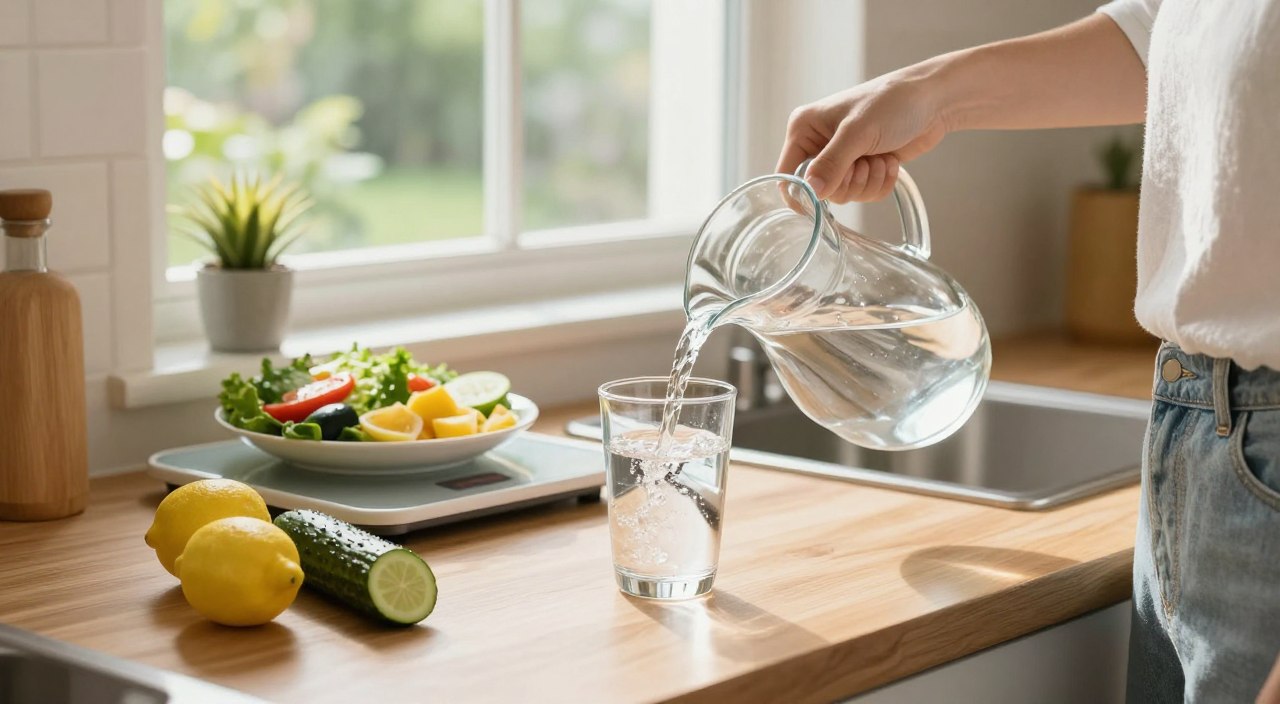
You can easily elevate your water with simple ingredients found in your kitchen. Try adding sliced cucumbers and mint for a crisp, spa-like experience. Alternatively, combine strawberries and basil for a sweet, refreshing twist that encourages you to drink more throughout the day.
These ways water can support weight loss efforts are simple to prepare in advance. Keep a large pitcher in your refrigerator so that a flavorful, chilled drink is always ready when you need it. The following table outlines some effective strategies to keep your hydration on track.
| Strategy | Benefit | Ease of Use |
|---|---|---|
| Fruit Infusions | Adds natural flavor | High |
| Smart Bottle Tracking | Provides visual reminders | Medium |
| Meal-Time Pairing | Increases satiety | High |
| Herbal Additions | Enhances freshness | Medium |
Common Myths Regarding Hydration and Weight Management
Navigating the vast landscape of health advice often leads to confusion regarding proper hydration. Many people feel overwhelmed by conflicting information about how their daily habits impact their physical goals. By clearing up these misconceptions, you can focus on water consumption and weight loss in a way that actually serves your body.
Debunking the Eight-Glasses-a-Day Rule
The idea that everyone must drink exactly eight glasses of water daily is a persistent water weight loss myth. This recommendation lacks a strong scientific foundation and fails to account for individual differences. Your actual needs depend on your activity level, the climate you live in, and your overall health status.
Instead of sticking to an arbitrary number, listen to your body’s natural signals. Thirst is a highly reliable indicator that you need more fluids. Staying properly hydrated is about consistency rather than hitting a specific, rigid target every single day.
Does Drinking Water During Meals Impair Digestion?
Another common concern is whether sipping water while eating dilutes stomach acid and slows down digestion. Many people worry that this habit hinders their progress with water intake and weight management. However, there is little evidence to suggest that moderate water consumption interferes with the digestive process.
In fact, water can actually assist your body in breaking down food and absorbing nutrients more efficiently. It helps soften food, making it easier for your system to process. As long as you are not gulping down excessive amounts, drinking water with your meal is a perfectly healthy habit that supports your wellness journey.
Conclusion
Reaching your target weight requires a dedicated focus on your daily habits. You now possess the knowledge to use fluid intake as a tool for better health. Understanding the importance of water for losing weight helps you make smarter choices every single day.
Water serves as a foundation for your body to function at its peak. It supports your metabolism and helps you manage hunger signals effectively. You can view your water bottle as a partner in your fitness journey rather than just a simple accessory.
Small changes lead to big results over time. Start by swapping sugary sodas for crisp, refreshing water. Keep a reusable bottle from brands like Hydro Flask or Yeti nearby to stay on track. This simple habit reinforces the importance of water for losing weight while keeping you energized.
Consistency remains the key to your success. Focus on steady progress rather than seeking instant fixes. Your commitment to proper hydration will pay off as you build a sustainable lifestyle. Stay mindful of your body and enjoy the positive changes that come with a well-hydrated life.