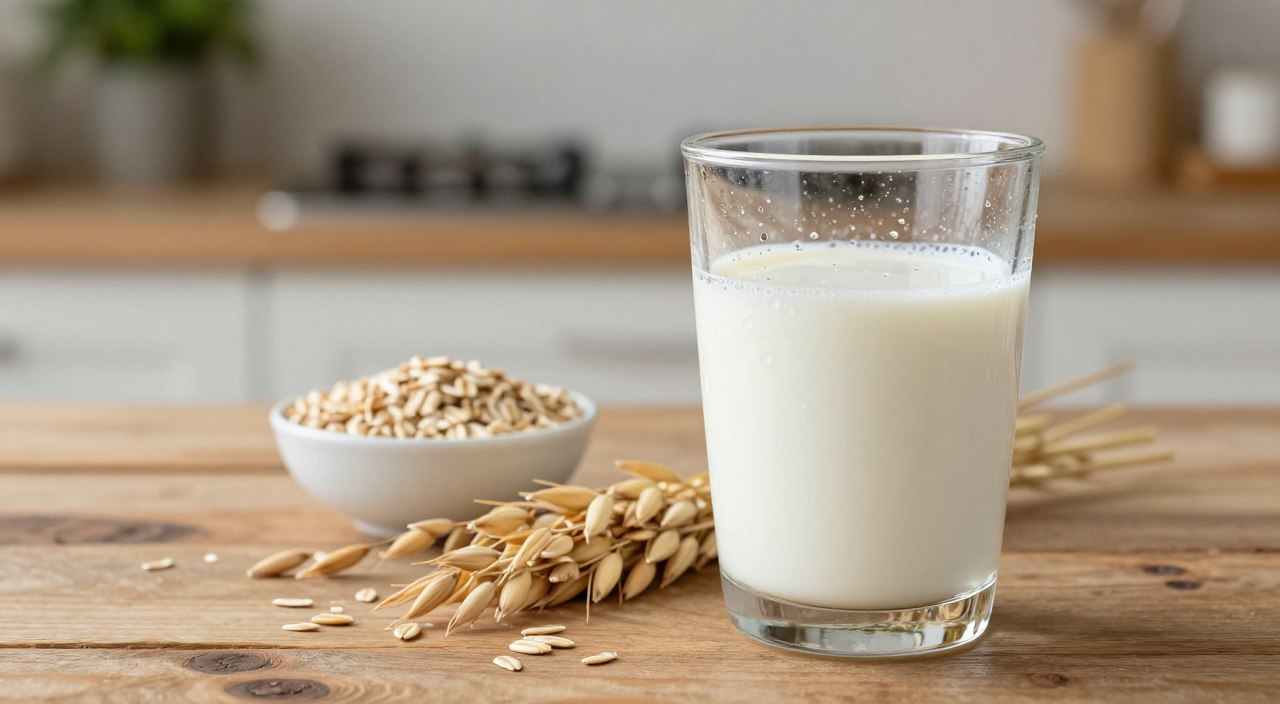
Looking for a healthy dairy-free milk alternative? Discover the benefits of unsweetened oat milk, explore its nutrition facts, and find out why more people are choosing it for coffee, smoothies, and everyday wellness.
In recent years, Unsweetened Oat Milk has transformed from a specialty item into a staple found in refrigerators across the United States. Many families now choose this creamy, plant-based beverage as their go-to dairy alternative for morning coffee and cereal.
This shift reflects a growing national interest in wellness and sustainable living. Consumers are increasingly seeking products that align with their health goals while offering a delicious, smooth texture that mimics traditional dairy.
Understanding the various oat milk benefits is essential for anyone looking to refine their daily nutrition. By removing added sugars, this drink provides a clean, versatile base for smoothies, baking, and cooking. It has truly become a mainstream favorite for those who prioritize a balanced, plant-forward lifestyle.
Key Takeaways
- It has become a top choice for health-conscious American households.
- The drink offers a creamy texture without the need for dairy.
- Removing added sugars makes it a versatile option for various recipes.
- It supports a sustainable and plant-based approach to daily nutrition.
- Many people prefer it for its neutral flavor profile in coffee.
The Rise of Unsweetened Oat Milk in the United States
Walk down any dairy aisle in the United States today, and you will notice a significant shift toward diverse, non-dairy options. This change is not just a passing trend; it represents a fundamental move toward healthier lifestyles. As more people seek a plant-based milk alternative, oat milk has quickly emerged as a top contender for the modern pantry.
Shifting Preferences Toward Plant-Based Alternatives
The popularity of plant-based milk is driven by a combination of ethical concerns and personal wellness goals. Many Americans are choosing to reduce their intake of animal products to support environmental sustainability. This shift has turned vegan milk into a standard fixture in grocery stores from coast to coast.
Beyond ethics, many shoppers view these products as a healthy alternative to traditional dairy. Whether due to lactose sensitivity or a desire for a lighter diet, the demand for these products continues to climb. It is clear that the market is responding to a consumer base that values both transparency and quality.
Why Consumers Are Choosing Unsweetened Varieties
As the market matures, there is a growing focus on cleaner labels and fewer additives. Many shoppers are actively seeking healthy beverages that prioritize natural ingredients over unnecessary sweeteners. By choosing unsweetened options, individuals can enjoy the creamy texture of oats without the extra sugar content found in many commercial brands.
This transition toward healthy beverages reflects a broader movement of mindful consumption. When you select an unsweetened plant-based milk, you are taking control of your nutritional intake. It is a simple, effective way to enjoy a vegan milk product that aligns with a balanced, wellness-oriented lifestyle.
Understanding the Nutrition Facts of Unsweetened Oat Milk
Unsweetened oat milk offers a unique balance of energy and essential nutrients for your daily routine. Many health-conscious individuals now view this nutritious oat milk as a reliable staple for their pantry. By examining the label, you can see exactly how this drink supports your body throughout the day.
Caloric Content and Macronutrient Breakdown
When you select a healthy milk substitute, understanding the macronutrient profile is vital. Most unsweetened varieties provide a moderate amount of calories, making them suitable for various dietary plans. The following table highlights the typical composition found in a standard eight-ounce serving.
| Nutrient | Average Amount | Daily Value % |
|---|---|---|
| Calories | 120 kcal | 6% |
| Total Fat | 5g | 6% |
| Carbohydrates | 16g | 6% |
| Protein | 3g | 6% |
This non-dairy beverage provides a clean source of energy without the added sugars found in sweetened versions. It is an excellent choice for those who want to manage their intake while enjoying a creamy texture.
Essential Vitamins and Minerals
Beyond basic macros, this drink is often packed with micronutrients that support overall wellness. Manufacturers prioritize quality to ensure that every glass contributes to your daily needs. You will often find that this non-dairy milk is enriched to match the profile of traditional dairy.

The fortification process is a key step in creating a nutritious oat milk. During production, companies add specific vitamins and minerals that might be missing from the raw grain. This ensures that your non-dairy milk remains a balanced part of your diet.
- Calcium: Essential for maintaining strong bone density.
- Vitamin D: Helps your body absorb calcium effectively.
- Vitamin B12: Supports nerve function and energy production.
- Riboflavin: Aids in converting food into usable energy.
Natural Fiber Content and Beta-Glucan Benefits
One of the standout features of Unsweetened Oat Milk is its natural fiber content. Oats are famous for containing beta-glucan, a type of soluble fiber that offers significant health advantages. This component is widely recognized for its role in supporting heart health and maintaining steady digestion.
Choosing this healthy milk substitute means you are getting the natural goodness of oats in a convenient liquid form. It is a simple way to incorporate more fiber into your diet without extra effort. As a versatile non-dairy beverage, it fits perfectly into smoothies, cereals, or even just a glass on its own.
Key Health Benefits of Choosing Dairy-Free Milk
Switching to a dairy-free milk lifestyle offers more than just a change in taste; it provides significant physiological advantages. Many individuals find that incorporating these healthy beverages into their daily routine helps them feel lighter and more energized throughout the day.

Digestive Health and Lactose-Free Advantages
For those who struggle with discomfort after consuming traditional dairy, a lactose-free milk is often the perfect solution. Because it is naturally free from lactose, it prevents the bloating and digestive distress that many people experience.
Choosing a dairy-free option allows your gut to function more smoothly. This simple change can lead to improved digestion and a more comfortable daily experience for those with sensitivities.
Heart Health and Cholesterol Management
A nutritious oat milk can be a powerful ally in your journey toward better cardiovascular wellness. Unlike some animal-based products, these plant-based alternatives are typically low in saturated fats.
“True health is not just about what you remove from your diet, but the quality of the nutrients you choose to add every single day.”
By opting for a healthy milk substitute, you support your heart health effectively. Many varieties contain beta-glucan, a type of soluble fiber known to help maintain healthy cholesterol levels when consumed as part of a balanced diet.
Blood Sugar Stability in Unsweetened Options
One of the most notable oat milk benefits is its ability to support steady energy levels. Unsweetened varieties are particularly effective because they lack the added sugars that often cause rapid spikes in glucose.
Maintaining stable blood sugar is essential for long-term health and focus. By choosing unsweetened versions, you ensure that your body receives hydration and nutrients without the unnecessary sugar crash that follows many processed drinks.
- Supports a balanced glycemic response.
- Provides sustained energy for your busy schedule.
- Reduces the intake of hidden sugars in your diet.
Comparing Unsweetened Oat Milk to Other Dairy Alternatives
Not all dairy alternatives are created equal, and understanding their differences is key to making an informed choice for your pantry. While many options exist, finding the right fit depends on your specific nutritional goals and personal taste preferences.
Oat Milk Versus Almond and Soy Milk
When exploring vegan milk options, you will notice that each variety offers a distinct profile. Almond milk is often praised for its low calorie count, though it typically lacks the protein density found in other choices.
Soy milk remains a classic staple, providing a complete protein profile that closely mimics cow’s milk. However, many consumers now prefer oat milk because it is naturally free from common allergens like nuts and soy, making it a versatile dairy-free milk alternative for households with sensitivities.

Environmental Impact and Sustainability Factors
Sustainability is a major driver for those switching to non-dairy milk. Oat cultivation is remarkably water-efficient compared to the intensive water requirements needed for almond farming.
Furthermore, oats are often grown in cooler climates, which reduces the carbon footprint associated with long-distance transportation. Choosing this option supports a more environmentally conscious lifestyle without sacrificing quality.
| Feature | Oat Milk | Almond Milk | Soy Milk |
|---|---|---|---|
| Water Usage | Low | High | Moderate |
| Protein Content | Moderate | Low | High |
| Best Use | Creamy Coffee | Light Smoothies | Baking |
Texture and Creaminess Profiles
The standout feature of oat milk is its luxurious texture. Because of its natural starch content, it creates a rich, velvety mouthfeel that performs exceptionally well in hot beverages.
While almond milk can sometimes feel thin or watery, oat milk provides a satisfying creaminess that elevates your morning routine. This unique quality makes it a preferred plant-based milk alternative for those who want a premium experience in their lattes and cereal bowls.
Culinary Uses for Your Favorite Oat Beverage
Incorporating a dairy-free milk into your kitchen routine opens up a world of culinary possibilities. This versatile ingredient acts as a seamless replacement for traditional options, allowing you to maintain your favorite flavors while embracing a plant-based lifestyle. Whether you are whipping up a quick breakfast or preparing a complex dinner, this oat beverage is a reliable staple.

Perfecting Your Morning Coffee and Lattes
Achieving a barista-quality experience at home is entirely possible with the right technique. Because this lactose-free milk has a naturally creamy texture, it froths beautifully when heated correctly. For the best results, ensure your beverage is chilled before steaming to help the micro-foam stabilize.
Slowly introduce air into the liquid until you reach a velvety consistency. This non-dairy beverage pairs exceptionally well with dark roasts, as its subtle sweetness balances the bitterness of strong espresso shots.
Baking and Cooking with Dairy-Free Milk
When you transition to a dairy-free kitchen, you will find that oat-based liquids perform remarkably well in both sweet and savory dishes. They provide the necessary moisture for cakes and muffins without altering the final flavor profile. You can use them as a direct 1:1 substitute in most standard recipes.
Tips for Substituting Oat Milk in Savory Recipes
When using this oat beverage in savory cooking, opt for unsweetened versions to avoid unwanted sugar. It works wonders in creamy soups, mashed potatoes, or even as a base for white sauces. Always whisk thoroughly to ensure the liquid incorporates smoothly into your roux or vegetable base.
Achieving the Right Consistency in Smoothies
Creating the perfect smoothie requires balancing your fruits and greens with the right amount of liquid. Using a dairy-free base adds a rich, satisfying mouthfeel that keeps you full longer. If you prefer a thicker texture, start with less liquid and add more until you reach your desired thickness.
This non-dairy beverage is an excellent choice for those who want a smooth, consistent blend every time. It remains stable even when mixed with acidic fruits, making it a superior lactose-free milk for all your favorite blended drinks.
Navigating the Market: How to Choose the Best Oat Milk Brands
Navigating the diverse world of dairy alternatives is easier when you know exactly what to look for on the label. With dozens of oat milk brands lining the shelves, making an informed decision helps you prioritize your health and wellness goals. Taking a moment to inspect the packaging ensures you bring home a product that truly aligns with your dietary needs.

Reading Labels for Hidden Additives
When you pick up a carton of unsweetened oat milk, the ingredient list should be your first stop. Many manufacturers include thickeners, stabilizers, or added oils to improve texture, but these are not always necessary for a high-quality product. Look for simple, recognizable ingredients like oats, water, and perhaps a pinch of sea salt.
Be wary of the following additives that often hide in processed beverages:
- Gums: Ingredients like gellan gum or guar gum are common but may cause digestive discomfort for some.
- Seed Oils: Canola or sunflower oils are frequently added for creaminess, though they may not fit every nutritional plan.
- Added Sugars: Even if the front label says “plain,” always check the back to ensure no hidden sweeteners are present.
Identifying Organic and Gluten-Free Certifications
Quality matters when you are selecting an oat beverage for your daily routine. Seeking out organic oat milk ensures that the grains were grown without synthetic pesticides or fertilizers. This certification provides peace of mind regarding the purity of your food sources.
If you have specific sensitivities, gluten-free oat milk is an essential label to verify. Because oats are often processed in facilities that handle wheat, a certified gluten-free label guarantees that the product is safe for those with celiac disease or gluten intolerance. Always look for the official seal on the packaging to confirm these standards have been met.
Storage and Shelf-Life Considerations
Proper storage is the secret to maintaining the fresh taste of your favorite unsweetened oat milk. Most shelf-stable cartons can be kept in a cool, dry pantry until they are opened. Once the seal is broken, however, you must move the container to the refrigerator immediately.
Keep these tips in mind to ensure your oat beverage stays delicious:
- Check the Date: Always note the “best by” date, even on shelf-stable items.
- Refrigeration: Most opened cartons should be consumed within 7 to 10 days for optimal quality.
- Shake Well: Natural separation is common in high-quality products, so give the carton a good shake before pouring.
Conclusion
Switching to unsweetened oat milk offers a simple way to improve your daily nutrition. This dairy-free milk alternative provides a creamy texture without the added sugars found in many other products. You gain a versatile staple that supports your wellness goals while tasting great in your favorite recipes.
Smart shoppers prioritize quality when browsing various oat milk brands. Look for labels that highlight organic oat milk to ensure you avoid synthetic pesticides. Choosing a gluten-free oat milk option remains vital for those with specific dietary sensitivities or digestive needs.
Many people find that this beverage serves as the perfect oat milk for coffee because it froths beautifully. It integrates seamlessly into your morning routine or evening baking projects. You have the power to transform your kitchen pantry by selecting clean, plant-based ingredients.
The market for dairy alternatives continues to grow, offering more transparency and better options for every household. Take time to read labels and understand what goes into your glass. Your journey toward better health starts with these small, intentional swaps in your diet.