Wondering what happens to your face after weight loss? Discover the real changes and how to keep your skin healthy and radiant.
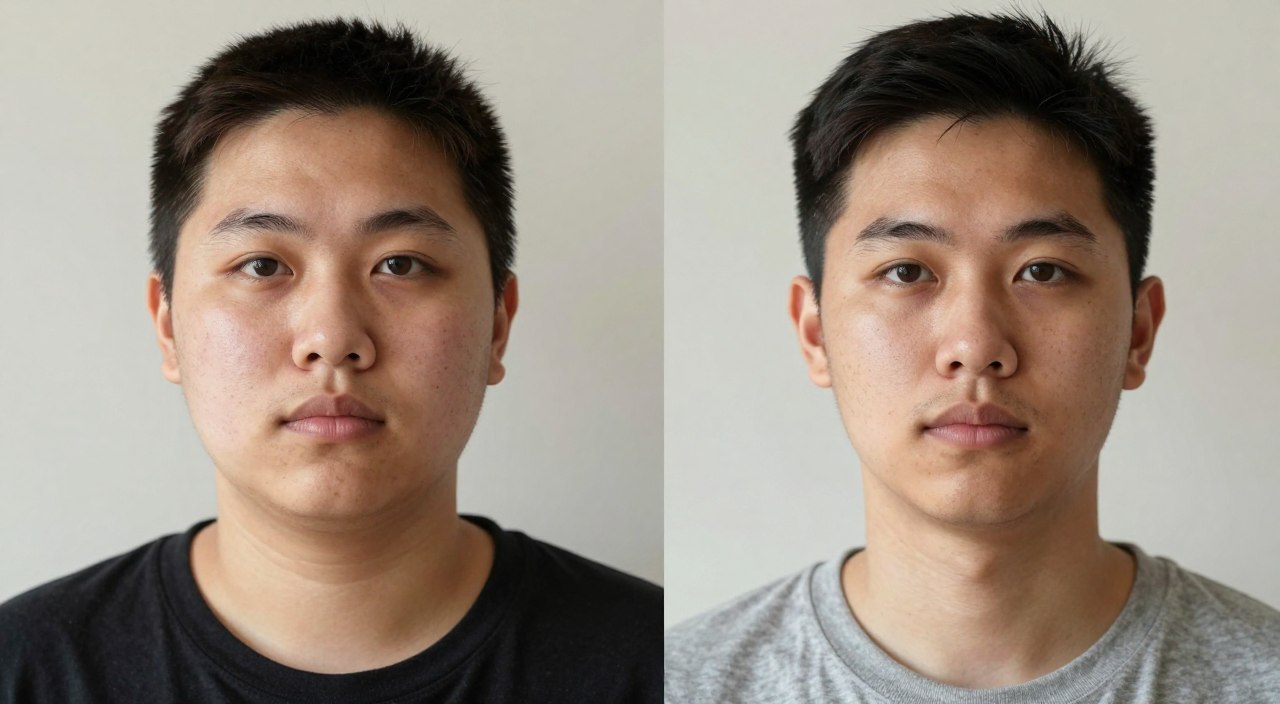
Losing weight tends to show up in the face early and obviously. The cheeks thin out, the jaw gets more defined, and hollows appear under the eyes or along the temples. For some people, this is the first place they notice a change. For others, it’s the last.
What’s actually happening is fairly simple: facial fat sits in discrete pockets, and those pockets shrink as overall body fat drops. What gets revealed underneath is bone structure — cheekbones, the jaw line — that was always there. Skin elasticity determines how cleanly this plays out. Younger or more elastic skin tends to follow the fat loss closely. Older skin, or skin that’s been stretched for a long time, can sag or look hollow rather than just lean.
Age and genetics drive most of the variation. There’s not much you can do to control where fat comes off or in what order.
Main changes: Cut all the signposting (“Let’s dive in,” “we will explore,” “this guide provides clarity”), removed wellness-speak (“health journey,” “rewarding process,” “dedicated to wellness”), dropped the promotional framing, and replaced vague claims with specific ones. The piece now just explains the thing instead of announcing that it’s about to.
Key Takeaways
- Significant body reduction often leads to noticeable shifts in your bone structure and skin.
- The transformation of your features is a natural part of reaching your health goals.
- Understanding these changes helps you manage expectations during your wellness journey.
- Skin elasticity plays a major role in how your profile settles over time.
- Many people find that their aesthetic profile evolves in positive, unexpected ways.
Understanding the Face After Weight Loss
Understanding the biology behind your Face After Weight Loss can help you navigate your changing appearance with confidence. As you shed body fat, your body undergoes a systemic shift that naturally extends to your facial structure. This process is not just about losing weight; it is about the redistribution of volume in your subcutaneous fat pads.
When these fat pads decrease in size, the underlying bone structure becomes more prominent. This transformation of facial features often leads to a more defined and sculpted look. Many individuals find that their reflection begins to mirror the effort they have invested in their health and wellness goals.
The Connection Between Body Weight and Facial Volume
Your face has specific fat pads — around the cheeks, temples, and jaw — that give it volume and shape. When body fat drops, these shrink too. Less padding means the bone structure underneath starts to show: cheekbones sit higher, the jaw looks sharper, the face overall reads as more angular.
Whether that looks good depends a lot on skin elasticity. Skin that contracts well follows the new shape closely. Skin that doesn’t tends to sag or go hollow — which can look gaunt rather than defined, especially in the temples and under the eyes.
Main changes: Removed “deeply rooted,” “naturally,” “unique skeletal architecture you have always possessed,” and the affirmational framing (“often positive,” “rewarding”). Cut the passive constructions. Added a concrete observation about the gaunt/hollow outcome, which is what people actually want to know about.
“True beauty is the reflection of a healthy body and a confident mind, evolving as you grow into your best self.”
Why Facial Changes Are Often the First Sign of Progress
You might notice that your face looks different long before your clothes start fitting differently. This happens because the face has a high concentration of subcutaneous fat that is metabolically active. Because the face is highly vascular, it often responds quickly to caloric deficits, making it a visible indicator of your progress.
The following table outlines how common areas of the face typically respond during this journey:
| Facial Area | Primary Change | Visual Impact |
|---|---|---|
| Cheek Area | Volume Reduction | Higher cheekbone visibility |
| Jawline | Fat Pad Shrinkage | Increased definition |
| Under-eye | Tissue Thinning | Subtle structural shift |
| Neck/Chin | Skin Retraction | Smoother profile |
Recognizing these Facial changes early on can be a great motivator. As you continue your journey, the facial features after losing weight will stabilize, allowing you to appreciate the refined contours of your new look. Staying patient with your body as it adjusts is the best way to embrace these natural shifts.
The Science Behind Facial Fat Reduction
The journey toward a slimmer face appearance is governed by complex internal processes. While you cannot choose exactly where your body loses fat, understanding the mechanics of facial fat reduction after weight loss helps demystify the process. Your body follows a specific biological hierarchy when it decides to burn stored energy.

How Subcutaneous Fat Distribution Works
Subcutaneous fat is the layer of fat located just beneath your skin. This fat is responsible for the transformation of facial features as you lose weight. When you maintain a caloric deficit, your body begins to mobilize these fat stores to provide energy for daily functions.
The density of fat cells in your face differs from other parts of your body. Because the face has a high concentration of blood vessels, it often responds quickly to metabolic changes. This is why many people notice a slimming down facial structure early in their fitness journey.
The Role of Genetics in Facial Slimming
Genetics act as the primary blueprint for how your body stores and releases fat. Your DNA determines the number of fat cells you have in specific facial regions, such as the cheeks or the chin. Even with consistent exercise, your genetic makeup influences the speed and pattern of your results.
Some individuals are genetically predisposed to hold onto fat in the lower face, while others lose it rapidly from the temples. This biological variation explains why facial features after losing weight look different for everyone. You are essentially working with the unique map your ancestors provided.
Why Some Areas Slim Down Faster Than Others
The uneven nature of fat loss is a common observation among those tracking their weight loss results. Certain areas of the face have different types of fat receptors that respond to hormonal signals. These receptors dictate how easily fat is released into the bloodstream.
The following table outlines the primary factors that influence how your face changes during a weight loss program:
| Factor | Impact on Slimming | Resulting Change |
|---|---|---|
| Genetics | High | Determines fat distribution patterns |
| Hormones | Moderate | Affects fluid retention and fat storage |
| Age | High | Influences skin elasticity and volume |
| Hydration | Low | Impacts the slimming effects on face |
Understanding these variables helps you set realistic expectations for the slimming impact on facial features. While you cannot change your genetics, maintaining a healthy lifestyle supports the natural process of facial refinement. Consistency remains the most effective tool for achieving your desired aesthetic goals.
Common Aesthetic Changes in Facial Contours
Many people are surprised by the visible changes in facial contours that follow a successful weight loss journey. As you reach your health goals, the process of slimming down facial structure often reveals features that were previously hidden by subcutaneous fat.
Jawline Definition Transformation and Structural Shifts
One of the most celebrated results of weight loss is the jawline definition transformation. When excess fat deposits around the neck and chin diminish, the underlying bone structure becomes much more apparent.
This shift creates a sharper, more angular appearance that many find refreshing. It is a natural result of the slimming effects on face, which can significantly alter your profile and overall aesthetic balance.
Cheekbone Prominence After Losing Weight
Beyond the jaw, you may notice a newfound cheekbone prominence after losing weight. As facial fat reduction after weight loss occurs, the mid-face area often loses its rounded, soft appearance.
“True beauty is the harmony between the inner health you cultivate and the outer confidence you project as your features evolve.”
This change highlights the natural architecture of your face. The slimming impact on facial features often leads to a more defined, sculpted look that enhances your natural bone structure.
The Impact of Volume Loss on Facial Aging
While a leaner face is often desired, it is important to recognize that volume loss can sometimes lead to a more mature appearance. Fat pads in the face provide a youthful cushion, and their reduction can make fine lines more noticeable.
Addressing Sagging Skin and Loss of Elasticity
Sculpting the face post weight loss requires attention to skin health, especially if you notice a loss of elasticity. When the skin does not retract as quickly as the fat disappears, it may appear slightly loose or saggy.
Maintaining a consistent skincare routine and staying hydrated are essential steps to support your skin during this transition. By focusing on collagen-boosting habits, you can ensure your face looks vibrant and healthy throughout your transformation.
Tips for Maintaining Skin Health and Radiance
Achieving your weight loss goals is a major milestone, but it often brings new challenges for your skin. Focusing on facial rejuvenation after weight loss ensures that your hard work reflects in a healthy, glowing complexion. The rejuvenation of facial appearance through weight loss is a journey that requires consistent care and attention to detail.

Skincare Routines for Post-Weight Loss Skin
As your body changes, your skin may lose some of its natural elasticity. Establishing a robust routine is vital for managing your post weight loss appearance effectively. Focus on gentle cleansing and high-quality moisturizers that support the skin barrier.
Daily sun protection is non-negotiable to prevent further breakdown of collagen. Using products rich in antioxidants can help protect your skin from environmental stressors. These simple steps are essential for enhancing facial beauty after weight loss over the long term.
Hydration and Nutrition for Facial Rejuvenation
What you put into your body is just as important as what you apply to your skin. Proper hydration keeps your complexion plump and minimizes the appearance of fine lines. Drinking enough water is a simple yet powerful way to support improvements in facial aesthetics post weight loss.
Include nutrient-dense foods in your diet that promote collagen production, such as leafy greens, berries, and lean proteins. A balanced diet helps in sculpting the face post weight loss by providing the building blocks your skin needs to stay firm. Nutrition acts as the foundation for your overall glow.
When to Consider Professional Aesthetic Treatments
Sometimes, lifestyle changes alone may not address all the visible changes in facial contours that occur after significant weight loss. If you feel that your skin laxity or volume loss is affecting your confidence, it might be time to consult a board-certified dermatologist or plastic surgeon. They can provide a personalized assessment of your needs.
Non-Invasive Options for Facial Contouring
Modern medicine offers many facial contouring solutions that do not require surgery. These treatments are excellent for those seeking facial contouring post weight loss without long recovery times. Consider the following options:
- Dermal Fillers: These can restore lost volume to cheeks and temples, providing a more youthful lift.
- Radiofrequency Therapy: This technology helps tighten the skin by stimulating deep collagen production.
- Laser Resurfacing: Effective for improving skin texture and tone, making your skin look smoother and more vibrant.
Always prioritize your safety by choosing licensed professionals for any aesthetic procedure. With the right guidance, you can achieve the look you desire while maintaining your health.
Conclusion
Your journey toward a healthier lifestyle often brings visible changes to your reflection. Achieving facial rejuvenation after weight loss is a significant milestone that reflects your hard work and dedication. You deserve to feel proud of the transformation of facial appearance post weight loss as you settle into your new silhouette.
Focusing on consistent habits helps maintain your results over time. Proper hydration and a nutrient-rich diet support your skin from the inside out. These simple daily choices play a vital role in enhancing facial beauty after weight loss while keeping your complexion vibrant.
Understanding the natural process of facial contouring allows you to appreciate the structural shifts in your features. If you desire further refinement, professional guidance can help you explore options for improvements in facial aesthetics post weight loss. Expert advice ensures that your path remains safe and effective.
Take time to celebrate the post-weight loss facial appearance you have earned. Every person experiences this transition differently, so be patient with your body as it adjusts. Prioritizing self-care makes the rejuvenation of facial appearance through weight loss a rewarding experience. Your commitment to health creates a lasting foundation for your facial contouring post weight loss journey.